Control the environment.
Grow the future.
Smart greenhouse installation for a more controlled approach to modern agriculture.
The greenhouse is no longer
just a structure.
It becomes an intelligent growing environment when real-world conditions can be measured, monitored and understood. Six layers, installed as one job.
Greenhouse structure
Frame, covering and ventilation. Everything after this depends on this part being right first.
Crop environment
Growing media, bags, irrigation and row layout. The space the crop actually lives in.
Sensors
Soil and air sensors placed where the reading means something, not where the cable was easiest.
Connectivity
LoRa carries the readings across the site without WiFi, which rarely reaches the far end of a house.
Monitoring
Readings are recorded over time, so you see a trend rather than yesterday’s number.
Intelligence
Once there is enough record, the pattern shows, and the decision can be made earlier.
Six stages, one contractor.
From bare ground to a house ready to plant. We build the structure; fitting sensors and monitoring to it is a separate job that can be added afterwards.
Site & requirement assessment
Land, water, access, power and the crop you plan to grow. What can be built starts from what is already on the ground.
Greenhouse design
Structure type, span, orientation and ventilation, chosen together. Which shape suits the site decides most of what follows.
Groundwork & footings
Levelling, drainage and the footings the whole structure stands on. The part nobody sees and everything depends on.
Frame erection
Arches, purlins and bracing raised and squared. This is where the shape on the drawing becomes a building.
Covering & ventilation
Film or netting fitted, with the vents, doors and side curtains that keep the air moving through it.
Handover
Irrigation run, everything checked and the house handed over ready to plant. Fitting controls to it is a separate job.
The roof decides
almost everything.
Span, headroom, how the rain runs off and how the hot air gets out all follow from the shape you choose. These are the six that get built.
Hoop tunnel
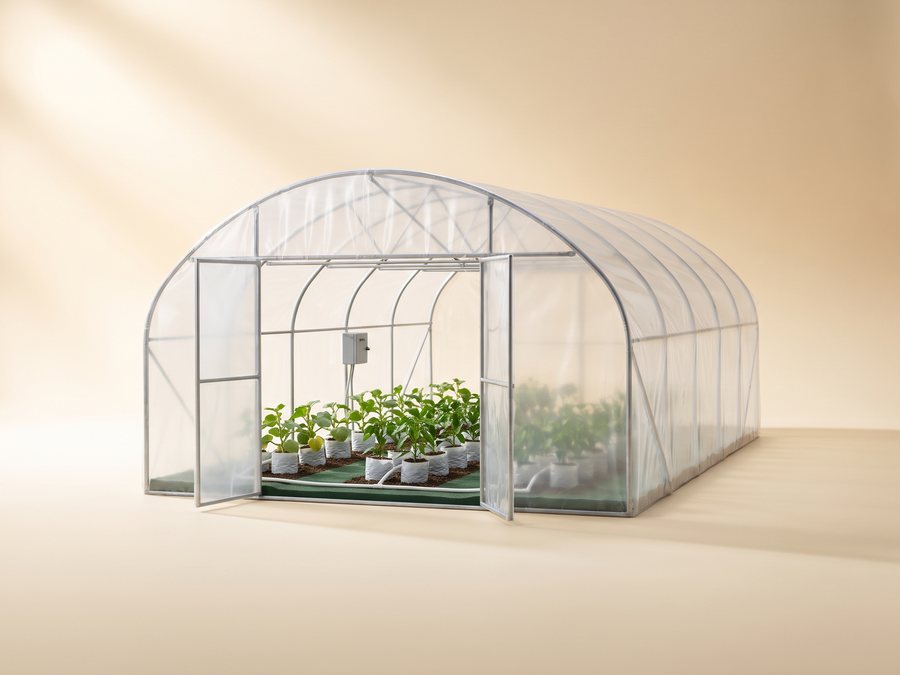
A single semicircular arch. The simplest and most economical span, and the one most Malaysian polytunnels are built on.
Gothic arch
The same arch brought to a point at the apex. Rain runs off it faster and there is more usable height near the side walls.
Sawtooth
A run of single slopes with a permanent vent opening behind each one. Built for hot, humid air that has to keep leaving the roof.
Gable
Straight walls under a ridged roof. Full height right up to the sides, and the shape rigid cladding is usually fitted to.
Multi-span
Several bays joined at the gutters. One continuous growing floor instead of separate tunnels, and less structure per square metre.
Net house
Mesh on a frame rather than film. Shade and insect exclusion with the most airflow of any of them, where rain cover is not the point.
Which shape suits you depends on the land, the crop and the budget. We do not put dimensions, materials or spans on paper before seeing the site.
A house that can run
on our own system.
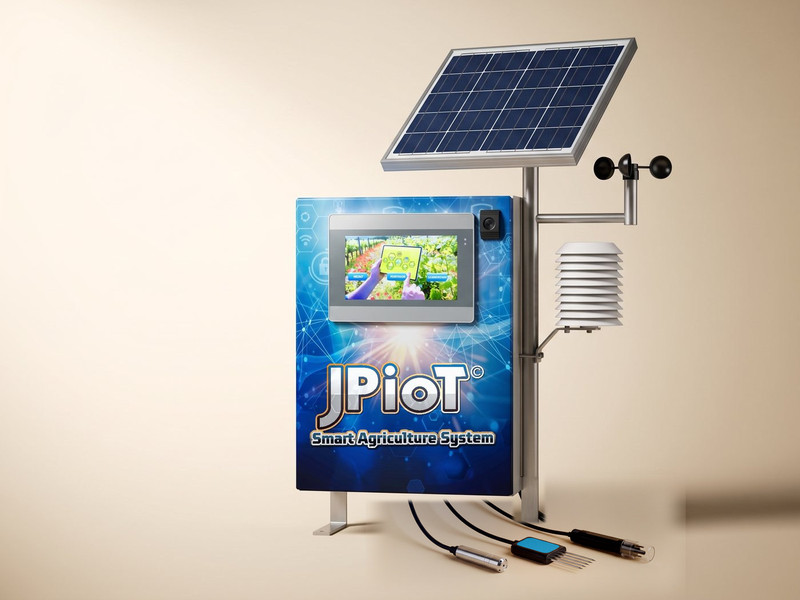
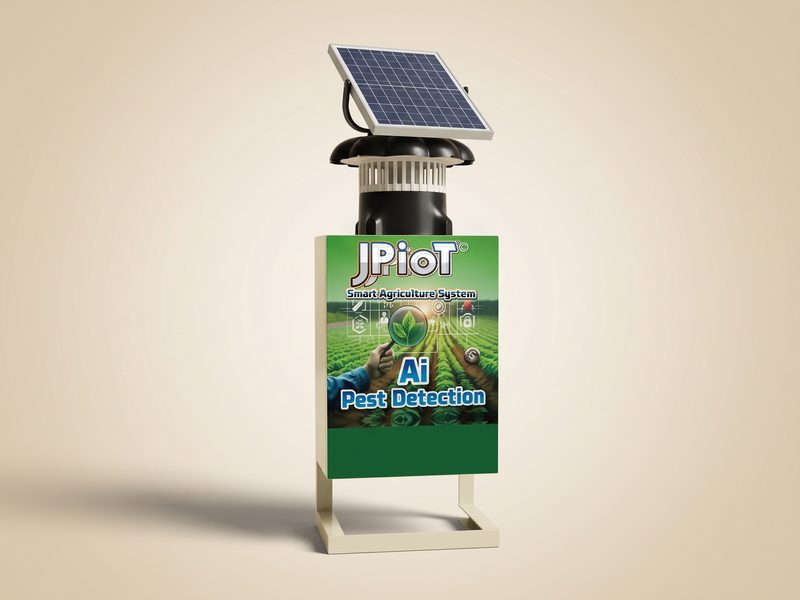
Greenhouse installation is the structure alone. But because we also build JPIoT, a house we put up can be fitted with our smart agriculture system later, without bringing in a second contractor.
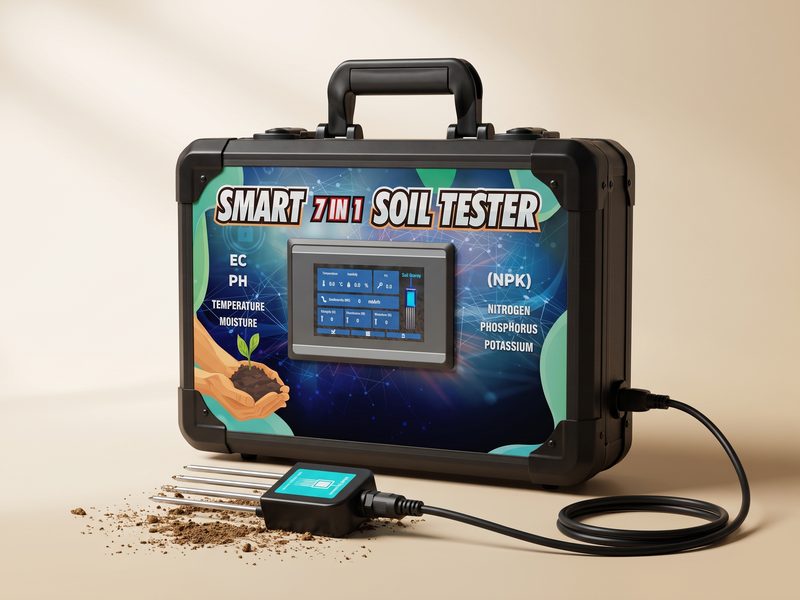
Soil sensors
Moisture, temperature, pH, EC and NPK read at the root zone.
Weather station
Air conditions around the crop, recorded alongside the soil.
The JPIoT unit
A solar-powered cabinet on a post inside the house, running on its own.
LoRa connectivity
Long range, low power, and not dependent on site WiFi.
Cloud monitoring
A dashboard that opens on any phone, wherever the farm is.
Telegram AI chatbot
Ask about the house where you already send messages.
None of this is included in a greenhouse installation. It is a separate service that can be added at any point after the house is up.