AI Pest Detection
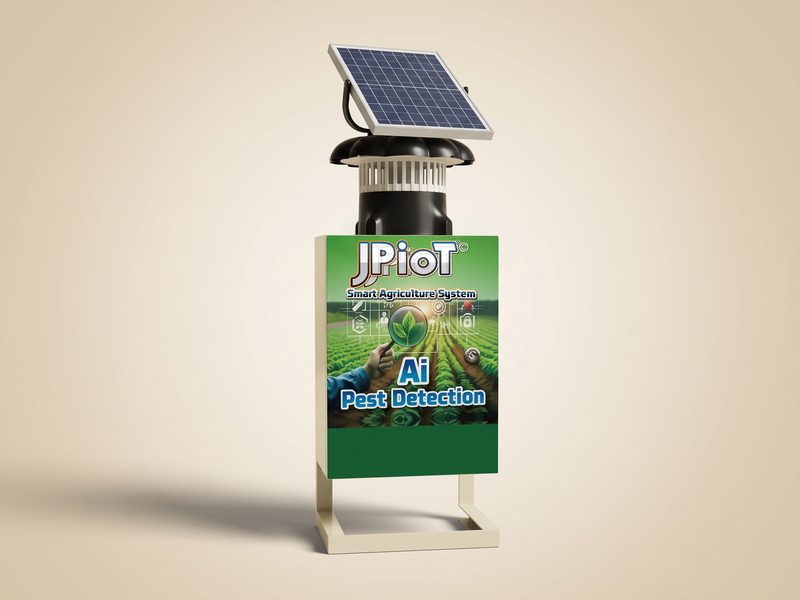
A camera watches the leaves. Image recognition names the pest and tells you while it can still be stopped, rather than after it has spread.
One whitefly.
Finds the light.
And stops there.
On the plate, where the camera can name it.
Built for the row it stands in.
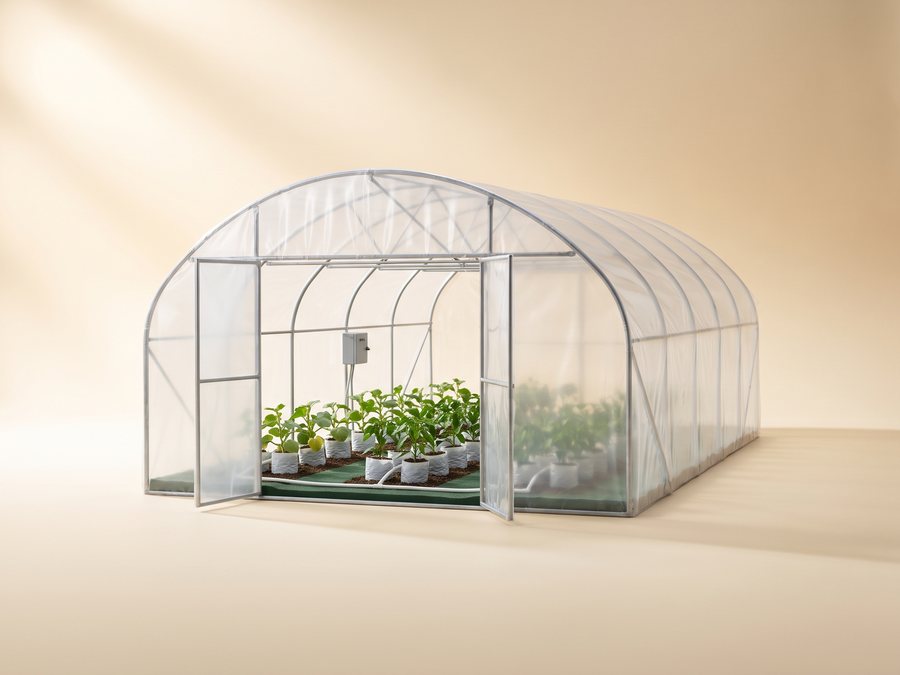
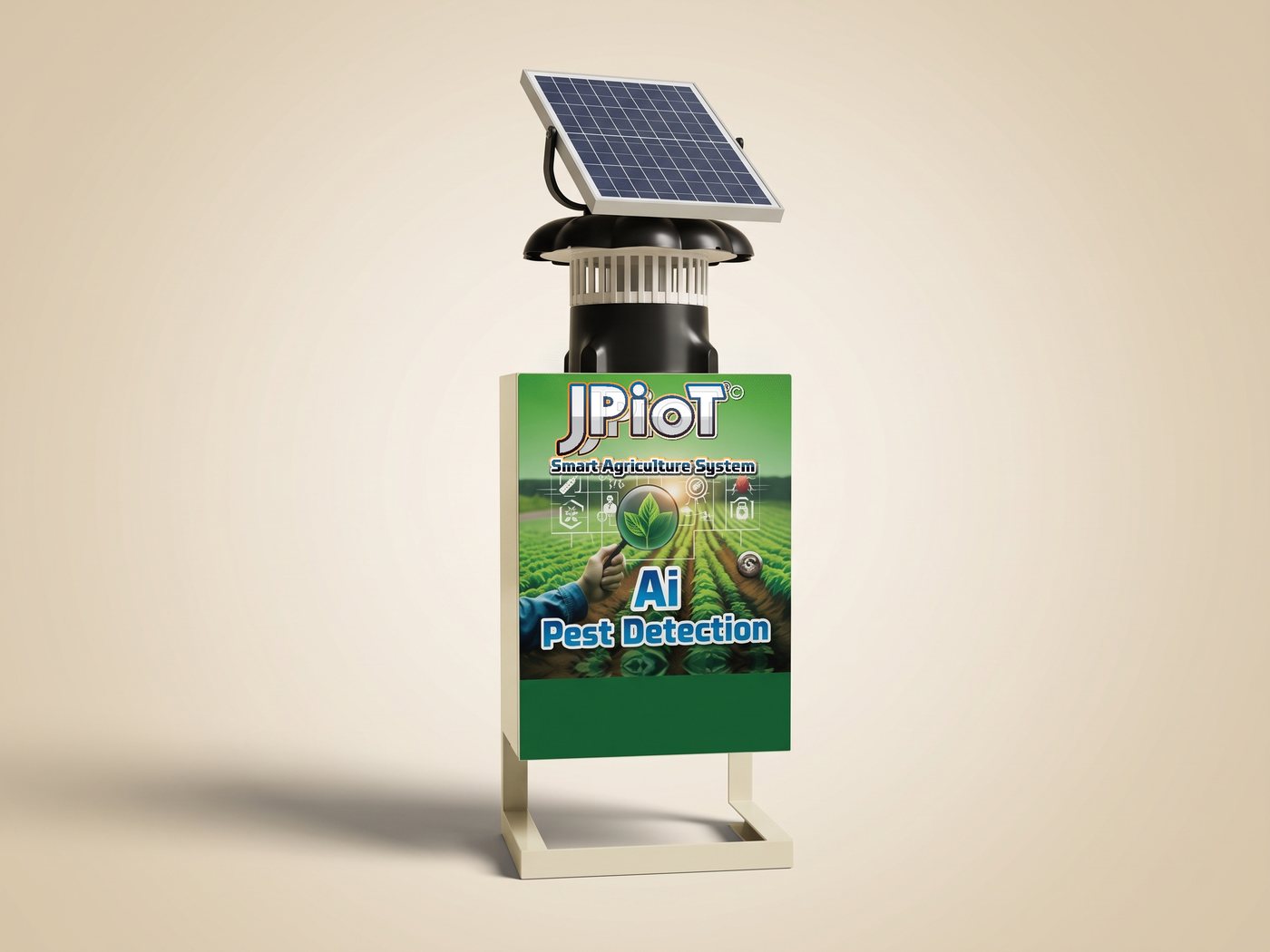
Solar powered, installed inside the house, watching through the day and the night.
AI Pest Detection
A camera watches the leaves. Image recognition names the pest and tells you while it can still be stopped, rather than after it has spread.
Four pests that do the most damage.
Aphids
Colonies on the new growth and the underside of the leaf.
Whiteflies
A cloud of adults lifts when the leaf is touched.
Thrips
Silvered stippling on the leaf where they have fed.
Fungus gnat
Adults over the damp media, larvae down at the roots.
Detection tailored to your crop.
Detection targets can be customised according to your requirements. The four above are examples.
Four pests that do the most damage.
From the trap to the block that needs treating.
It stands in the crop.
The light brings them in.
The model names each one.
And keeps the tally.
A count becomes a trend.
Open from wherever you are.
The same reading on both.
You are told early.
Treat that block, not the whole farm.
A smart trap that never stops looking.
Less spraying, at the right moment.
Named on the leaf.
The pest is named on the leaf before the damage is visible from a distance.
On your phone, not in a weekly report.
An alert reaches your phone when something is found, not in a weekly report.
By plot, by season.
A record of pests by plot and by season, for you and for your officer.
One block, not every row.
Treating the affected plot at the right time uses less pesticide than spraying everything on a schedule.